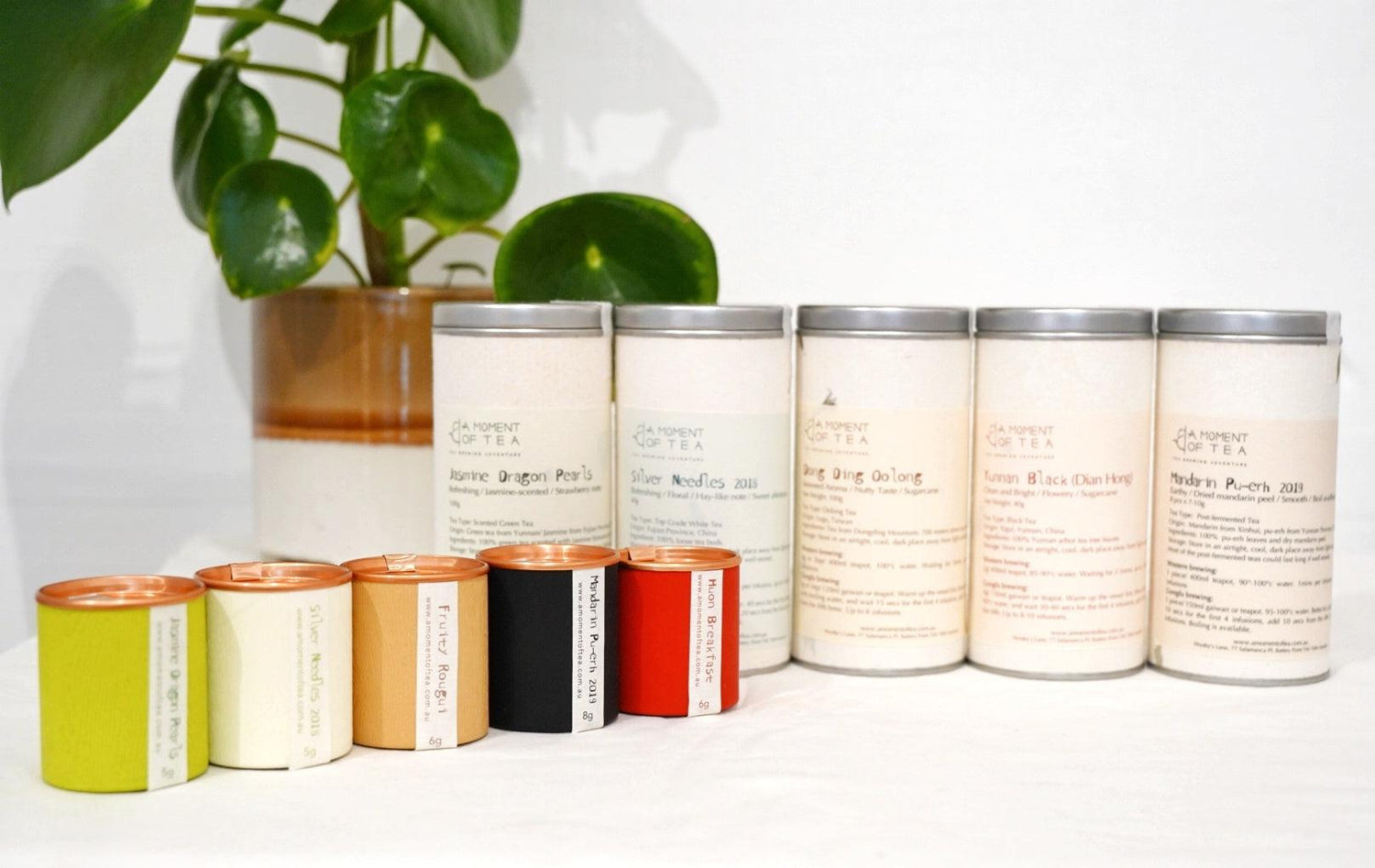

Pu Erh Tea
-
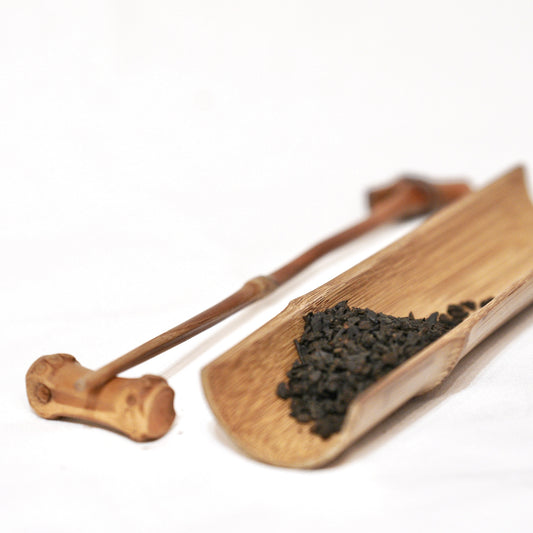
Tasmanian Lavender Puerh
Regular price From $7.00Regular priceUnit price per -
 Sold out
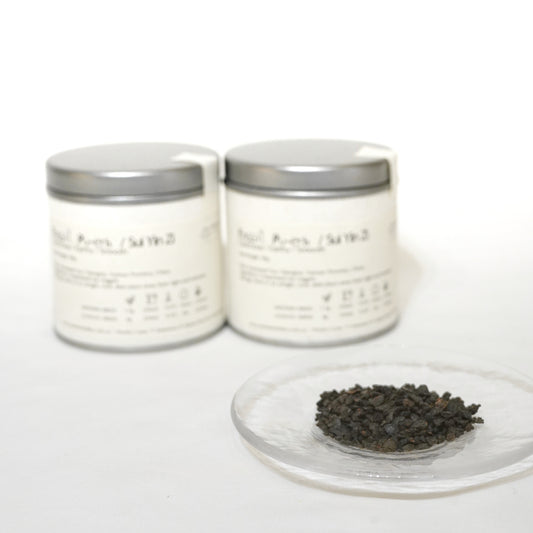
Fossil Pu-erh/ Sui Yin Zi
Regular price From $7.00Regular priceUnit price per -
Mandarin Pu-erh Post-fermented Tea
Regular price From $11.00Regular priceUnit price per -
Ripe Pu-erh 2021 Post-fermented Tea
Regular price From $9.00Regular priceUnit price per -
"The One" Ripe Pu-erh Cake 2024 Post-fermented Tea
Regular price From $9.00Regular priceUnit price per -
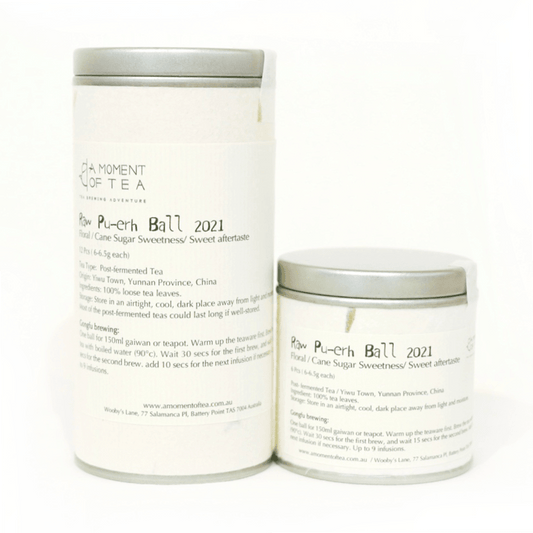
Raw Pu-erh Ball 2021
Regular price From $8.00Regular priceUnit price per -
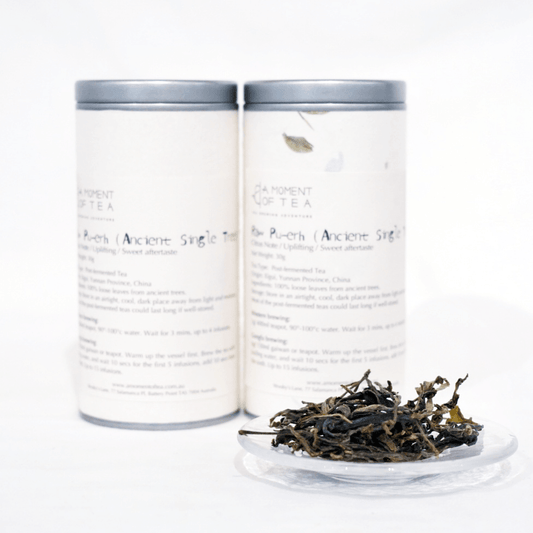
Raw Pu-erh Ancient Single Tree 30g
Regular price From $18.00Regular priceUnit price per -
"Sweet Stock" Ripe Pu-erh Brick 2021 Huang Pian
Regular price From $7.00Regular priceUnit price per -

 Sale
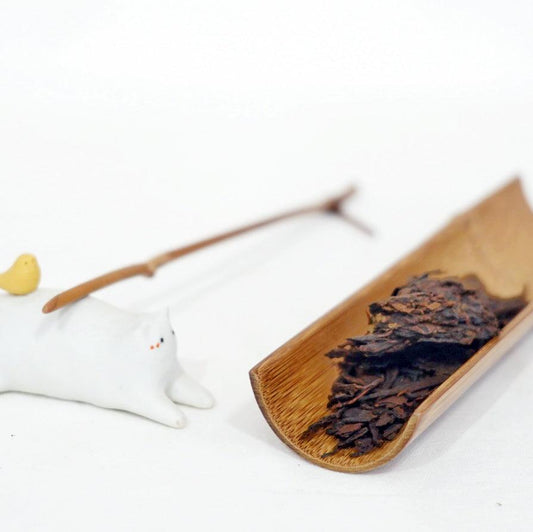
SalePuerh Starter Pack
Regular price $36.00Regular priceUnit price per$43.00Sale price $36.00Sale -
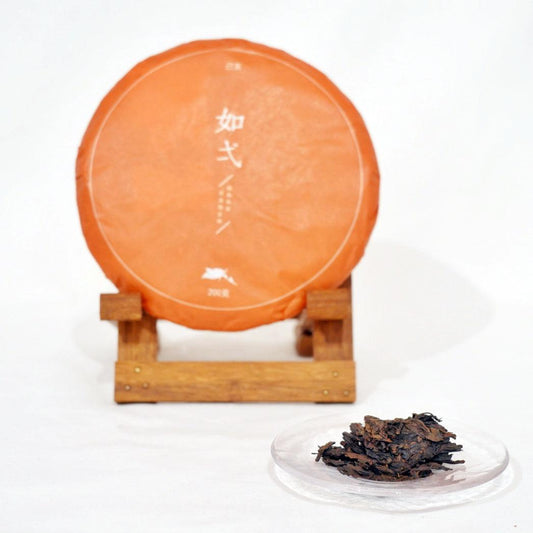
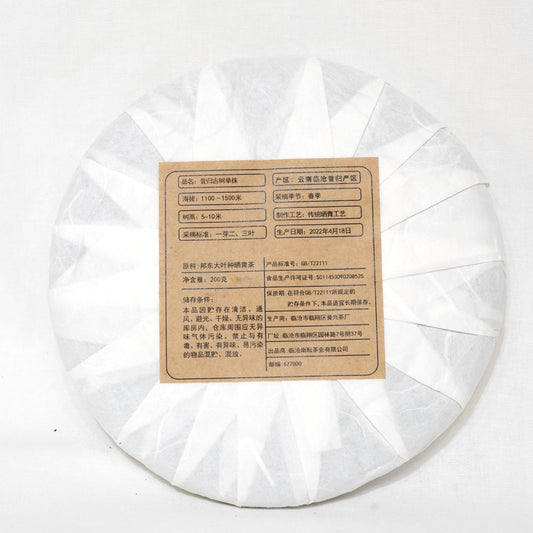
Raw Puerh Ancient Single Tree Cake 200g
Regular price $350.00Regular priceUnit price per







Pu-erh tea
Pu-erh tea(普洱茶) is a post-fermented tea from Yunnan Province in southern China — the only region where authentic pu-erh is produced. Unlike other teas that are best consumed fresh, pu-erh is made to age. The leaves go through a microbial fermentation process that changes their chemical structure over time, developing earthy, smooth, and complex flavours that most other teas simply don't have.

Raw vs ripe: the two styles
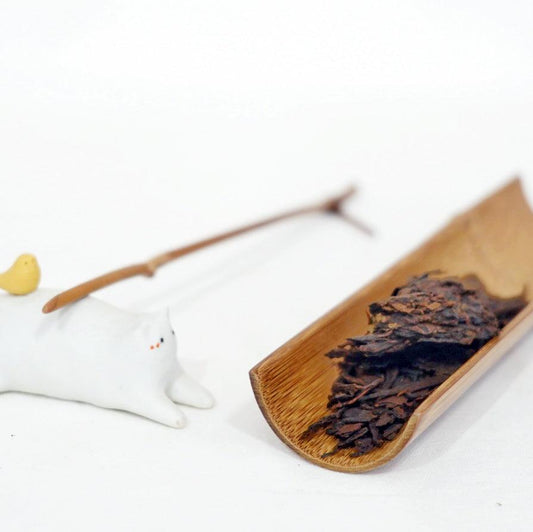
Pu-erh comes in two main styles. Raw (sheng) pu-erh is minimally processed — the leaves are sun-dried, lightly steamed, and compressed. It starts out bright and sometimes astringent, then mellows over years of natural aging. Our Raw Pu-erh Ball 2021 and Ancient Single Tree are both raw style — the Ancient Single Tree is also available as a 200g cake for those who want to age it at home. Ripe (shou) pu-erh goes through an accelerated fermentation process developed in the 1970s that gives it a deep, dark, earthy character from the start. Our Fossil Pu-erh, "Sweet Stock" Huang Pian Brick, and "The One" Ripe Cake are ripe style. For a full breakdown of how the two styles are made, taste and age, see our guide to raw vs ripe pu-erh.
Pu-erh tea, caffeine and after-meal tradition
Pu-erh tea is traditionally enjoyed in China as an after-meal tea, especially after rich food. Its post-fermentation gives ripe pu-erh a smooth, earthy profile. Ripe pu-erh varies from low caffeine (blended pu-erhs and certain pure ripes) to medium caffeine (more bodied pure ripes), so most customers enjoy it from morning through afternoon. Raw pu-erh tends to be higher in caffeine and more energising, so it usually suits mornings or early afternoons.
Where to start
Try five at once. Our Puerh Starter Pack ($36) walks you through Joanne's curated ripe pu-erh progression — from two blended entries through a daily-drinker brick to a spring-picked loose leaf and a cake that includes ancient-tree leaves. A tasting card is included to guide each cup. For the full story, read our beginner's guide to pu-erh.
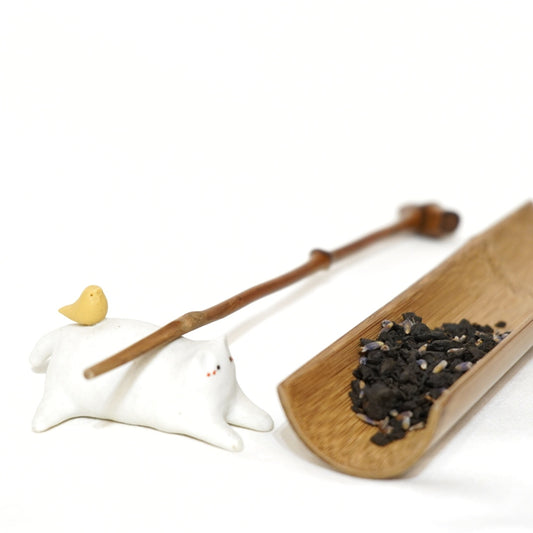
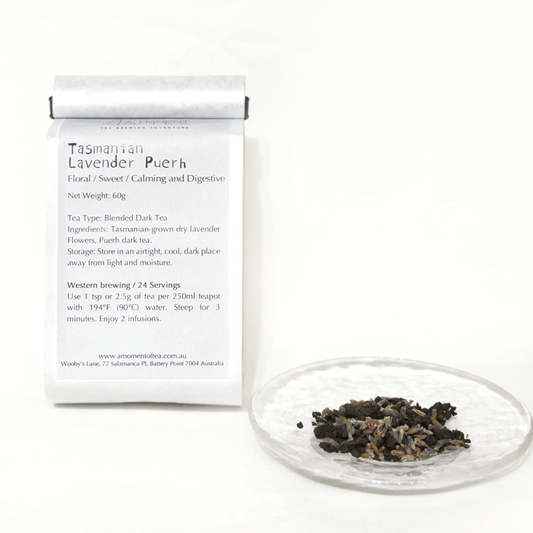
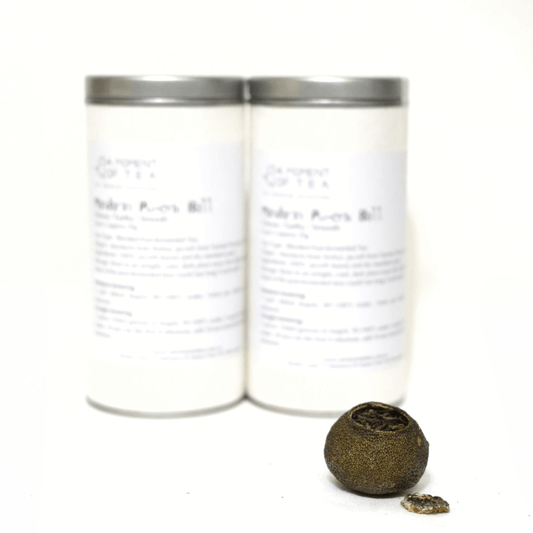
Prefer to start with a single tea? Our Tasmanian Lavender Puerh is a gentle entry point — it blends Menghai ripe pu-erh with Tasmanian lavender and was awarded at the 2025 Royal Tasmanian Fine Food Awards. If you want a classic ripe pu-erh, the 2021 Ripe Pu-erh is easy to brew and forgiving. For the most affordable entry, our "Sweet Stock" Huang Pian Brick starts at $7 for a sample — it's sweet, smooth, and works well brewed in a thermal flask for easy sipping. For after-dinner drinking, our Mandarin Pu-erh pairs ripe pu-erh with aged mandarin peel in a traditional citrus-pu-erh style. All our pu-erh teas are available for tasting at our Salamanca Tea Bar in Hobart.
Common questions about pu-erh tea
Is pu-erh tea high in caffeine?
It depends on the style. Raw (sheng) pu-erh tends to be higher in caffeine and more energising, so it usually suits mornings. Ripe (shou) pu-erh ranges from low caffeine (blended and mature-leaf huang pian styles) to medium caffeine (more bodied pure ripes), which is why many people drink it from morning through afternoon.
What is the difference between raw and ripe pu-erh?
Raw (sheng) pu-erh is minimally processed and ages naturally over years, starting bright and sometimes astringent, then mellowing with time. Ripe (shou) pu-erh goes through an accelerated fermentation process developed in the 1970s that gives it a deep, dark, earthy character from the start.
Which pu-erh should a beginner start with?
If you want to taste the range, our Puerh Starter Pack walks you through five ripe pu-erhs with a tasting card. If you prefer a single tea, the Tasmanian Lavender Puerh is a gentle entry point, and the 2021 Ripe Pu-erh is an easy, forgiving classic.
Where does authentic pu-erh come from?
Authentic pu-erh is produced only in Yunnan Province in southern China, where the large-leaf tea varietal and traditional fermentation methods originate.
Can I taste pu-erh before buying?
Yes. All our pu-erh teas are available to taste at our Salamanca Tea Bar in Hobart, and most are available in sample sizes online.