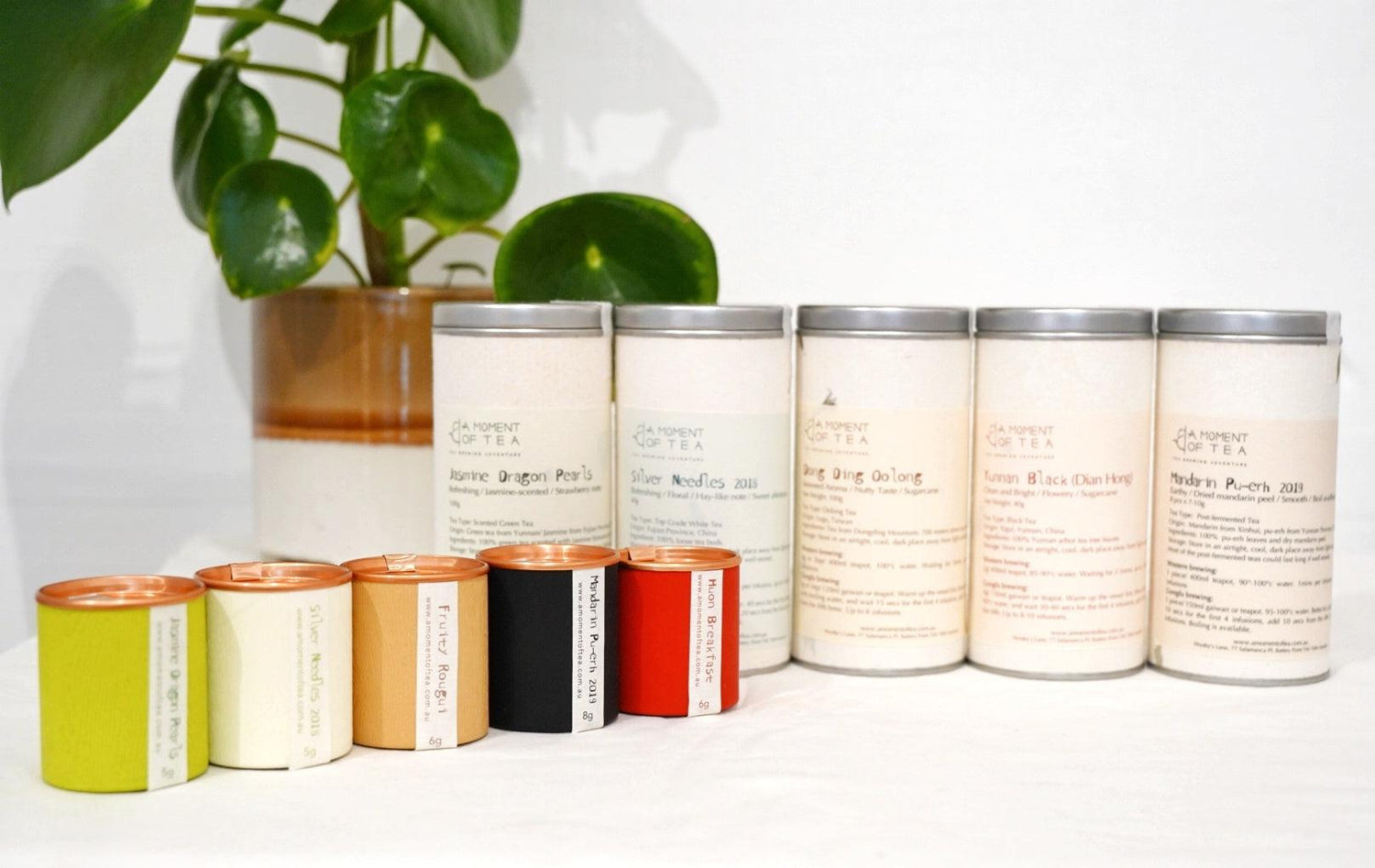

Yunnan: the birthplace of tea
Yunnan province produces more tea than any other region in China, and it is the only place in the world where wild tea trees over a thousand years old are still growing. Every tea plant on earth traces its genetic roots back to this one corner of southwestern China.
Yunnan (云南, yúnnán) is the birthplace of Camellia sinensis — the plant that all tea comes from. The province sits at the intersection of tropical lowlands and Himalayan highlands, with elevations ranging from 76 metres to over 6,700 metres. This extreme geography creates dozens of microclimates, and the ancient forests in southern Yunnan harbour the oldest known tea trees. Yunnan is best known for pu-erh tea (普洱茶, pǔ'ěr chá), a post-fermented tea that can be aged for decades, but the province also produces excellent red tea (Dianhong), white tea (Yueguangbai), and green tea.

The three pu-erh regions
Not all pu-erh is equal, and origin matters. To be called authentic pu-erh, the tea must come from Yunnan's large-leaf tea variety (大叶种, dàyèzhǒng). Three regions dominate production:
Xishuangbanna (西双版纳) is the most historically important and the most expensive. The famous "six ancient tea mountains" (六大茶山) are here, and villages like Laobanzhang and Yiwu produce some of the most sought-after pu-erh in the world. The tropical climate and ancient forest ecology give these teas a depth and complexity that newer plantations cannot replicate.
Lincang (临沧) is the second-largest producing area and home to some of the oldest cultivated tea trees on record. The Mengku and Bingdao areas within Lincang have gained a strong reputation over the past two decades. Lincang pu-erh tends to be bold and direct compared to the more refined character of Xishuangbanna.
Pu'er City / Simao (普洱/思茅) — formerly Simao, renamed to Pu'er in 2007 — is the region that gave the tea its name. It is the most accessible price-wise, producing solid everyday pu-erh without the premium attached to the first two regions.
Miguel, one of our customers, was initially sceptical when our staff at Salamanca Market suggested boiling aged white tea. He tried it and was surprised by the pronounced Chinese dry date flavour. That same willingness to experiment is what I encourage with pu-erh — the range within Yunnan teas is wide enough that two pu-erhs from different mountains can taste as different as two wines from different valleys.
Raw vs ripe: two paths from the same leaf
Pu-erh comes in two forms, and understanding the difference is the key to navigating this category. Our full raw vs ripe pu-erh guide goes deeper; here is the short version.
Raw pu-erh (生普, shēng pǔ) starts life closer to a green tea. The leaves are pan-fired to stop oxidation, rolled, sun-dried, then steamed and pressed into cakes or bricks. From there, the tea ages naturally over years or decades. Young raw pu-erh (under 5 years) can be bitter, astringent, and intensely vegetal. With 10–20 years of proper storage, it softens into something rich, complex, and deeply sweet. Think of raw pu-erh like fresh cheese — it changes character entirely as it matures.
Ripe pu-erh (熟普, shú pǔ) is the accelerated version. Invented in 1973 at the Kunming Tea Factory, the process involves a step called wòduī (渥堆, "wet-piling") — the leaves are piled about a metre high, covered with damp cloth, and left to ferment with naturally occurring microorganisms for 24 hours to 45 days. This microbial fermentation does in weeks what natural ageing does in decades, producing a dark, smooth, earthy brew. Ripe pu-erh is ready to drink immediately, though it can improve with a few years of additional ageing (up to about 10 years).
The flavour difference is significant. Young raw pu-erh is bright, bitter, and alive. Ripe pu-erh is dark, smooth, and settled. Aged raw pu-erh eventually develops qualities that neither young raw nor ripe can match — which is why well-stored vintage cakes command high prices.
In traditional Chinese medicine, ripe pu-erh is classified as warming (温性, wēnxìng) and is traditionally drunk after heavy meals to aid digestion (去油腻, qù yóunì). Raw pu-erh, being closer to green tea in its youth, starts out cooler in nature but warms gradually as it ages.

Ancient tree tea: why age matters
Yunnan's most distinctive asset is its ancient tea trees. Trees over 100 years old are classified as gǔshù (古树, "ancient tree"), and their leaves produce tea with a depth that plantation bushes cannot match. The root systems of these old trees reach deep into mineral-rich soil, drawing up a complexity of nutrients that shows up in the cup as a longer-lasting sweetness and stronger body.
Our Raw Pu-erh Ancient Single Tree comes from trees in this category. Brewing it gongfu-style, you can get 10 or more infusions from a single session, and each one tastes different as the leaves slowly release their layers.

Pu-erh is also unique in its physical forms. You will find it as loose leaf (散茶, sǎnchá), round cakes (饼茶, bǐngchá), rectangular bricks (砖茶, zhuānchá), bird-nest shapes (沱茶, tuóchá), and even stuffed inside dried mandarin peels (陈皮普洱, chénpí pǔ'ěr). Our Mandarin Pu-erh is an example of that last form — the dried citrus peel adds a bright, warming note to the earthy pu-erh base.

If you are new to pu-erh, start with a ripe pu-erh — it is more approachable. Our Ripe Pu-erh 2021 or the Tasmanian Lavender Puerh (awarded at the 2025 Royal Tasmanian Fine Food Awards) are both good entry points, and our beginner's guide to pu-erh walks through where to start. Once you have a feel for the earthy, smooth base character, try a raw pu-erh to see the other side of the spectrum.
Common questions about Yunnan tea
Can I age pu-erh at home?
Yes, if you store it correctly. Keep it in a dry, ventilated space away from strong odours. Do not seal it airtight — pu-erh needs air to age. A bookshelf in a stable-temperature room works. Avoid kitchens (cooking smells) and bathrooms (moisture). Raw pu-erh can age for decades. Ripe pu-erh does not benefit much beyond about 10 years.
Why is some pu-erh so expensive?
Origin and tree age drive the price. A cake from a well-known Xishuangbanna village made with ancient tree leaves can cost hundreds or thousands of dollars. Plantation pu-erh from Pu'er City is far more affordable. There is good drinking at every price point.
What does pu-erh taste like?
Ripe pu-erh: earthy, smooth, with notes of wet wood, dried dates, and sometimes a mushroom-like quality. Raw pu-erh (young): bright, bitter, vegetal, sometimes floral. Raw pu-erh (aged 10+ years): complex, sweet, with camphor, dried fruit, and a rich body.
Is Dianhong (Yunnan red tea) the same as pu-erh?
No. Dianhong (滇红) is a fully oxidised red tea from Yunnan — the same processing category as Lapsang Souchong or Keemun. Pu-erh is post-fermented (黑茶 hēichá category), a different process entirely. They come from the same province but are different types of tea. Pu-erh itself is just one branch of that wider fermented family — see dark tea (heicha): beyond pu-erh.
Teas mentioned in this article
- Raw Pu-erh Ancient Single Tree
- Raw Pu-erh Ball 2021
- Ripe Pu-erh 2021
- Ripe Pu-erh Cake 2024
- Ripe Pu-erh Brick 2021
- Mandarin Pu-erh
- Fossil Pu-erh
- Tasmanian Lavender Puerh
Browse our full pu-erh tea collection.
Published: March 2026 | Last updated: July 2026