
How to Season Your New Chinese Yixing Clay Teapot: A Beginner's Guide
How do you season a Yixing clay teapot?
Seasoning a Yixing teapot means cleaning it and preparing the clay to absorb tea flavour. New Yixing pots may have clay dust or residue from manufacturing, and the pores of the clay need to be opened up before the pot can do what it's designed for — gradually absorb the character of your tea over time. The process takes about 24-26 hours, mostly waiting, and you only need to do it once.
Here's how to do it, plus some background on why Yixing clay is different from other teapot materials.

What makes Yixing clay special?
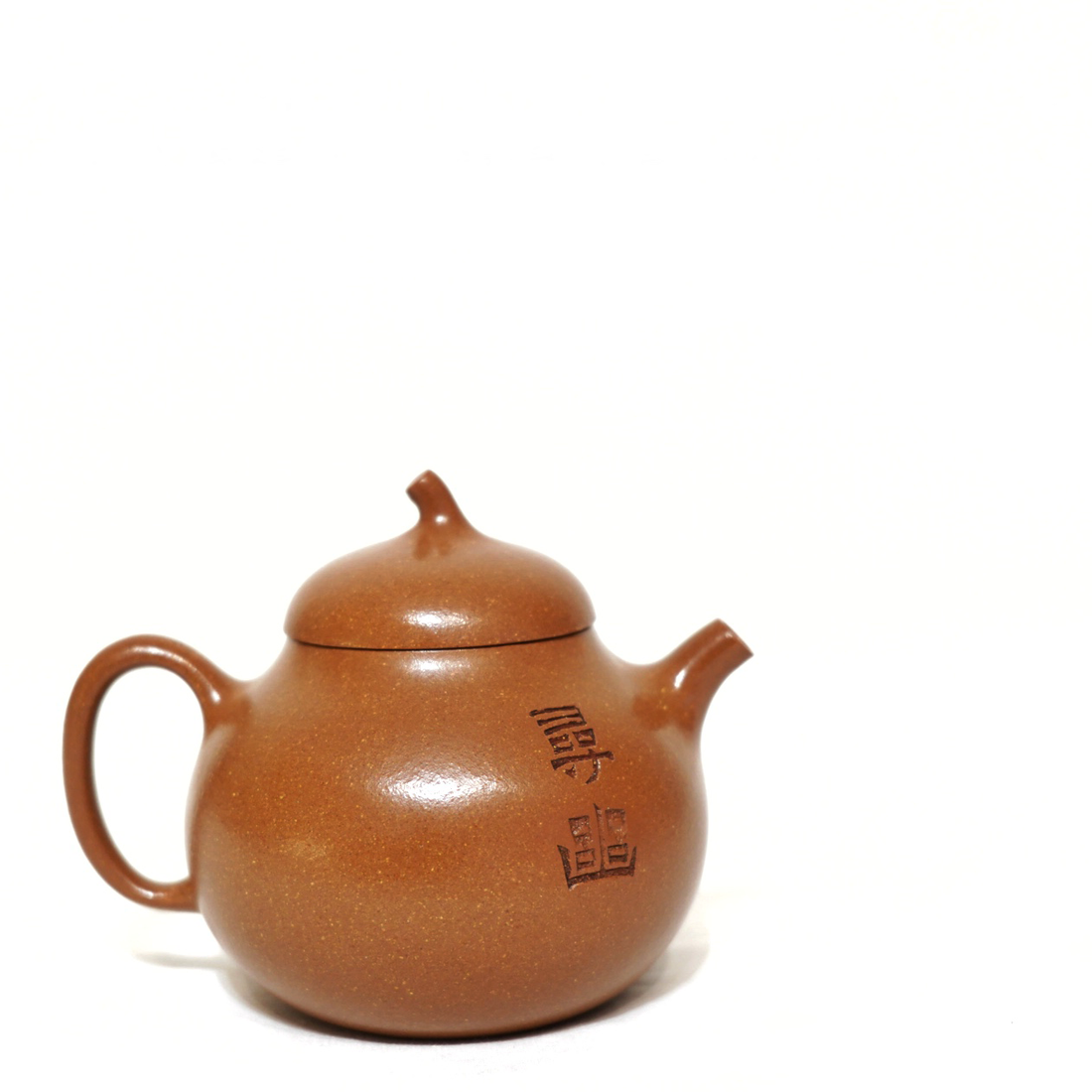
Yixing clay (宜兴紫砂, often called "purple clay" or zisha) comes from the Yixing region of Jiangsu Province, China. What makes it different from regular ceramic is its porosity — the clay has tiny pores that absorb the oils and flavour compounds from tea. Over months and years of use, a well-used Yixing pot develops a patina and starts contributing to the flavour of the brew itself.
This porosity also means Yixing pots are unglazed. Unlike a glazed ceramic teapot or a glass one, an Yixing pot interacts with the tea. This is the main reason for the "one pot, one tea" rule: if you brew pu-erh in a pot for months, then switch to green tea, the pu-erh flavour absorbed into the clay will affect your green tea. Dedicated pots produce cleaner, more focused results.
Three common clay types
Zi Ni (紫泥, purple clay) — The most common type. Dark brown to purple. Good heat retention, works well with oolong, black tea, and pu-erh. Our "The Pine" Yixing Teapot is made from this clay.

Zhu Ni (朱泥, red clay) — Finer-grained with higher density. Produces a brighter, sharper cup. Often paired with high-aroma teas like Dong Ding oolong or Tieguanyin because the tighter pores keep the aroma concentrated inside the pot.

Duan Ni (段泥, yellow/sandy clay) — Lighter in colour, slightly more porous. Works well with lighter teas — green tea, white tea, or lightly oxidised oolongs. Our tea pets are often made from this clay, which shows colour change more clearly when fed with tea.

Step-by-step seasoning guide
Step 1: Rinse thoroughly
Rinse your new teapot inside and out with warm water. Use your fingers to feel for any gritty clay dust. Clean the lid, spout, and handle. Don't use soap — the clay will absorb it.
Step 2: Boil the teapot
Fill a large pot with enough water to fully submerge the teapot. Place a cloth or steaming rack at the bottom so the teapot doesn't sit directly on the metal. Bring to a gentle boil and simmer for 30-60 minutes. This opens the clay's pores and draws out remaining impurities from manufacturing.
Make sure the pot you use is completely clean and free of food odours — the porous clay will absorb whatever's in the water.
Step 3: Brew a strong tea
While the teapot simmers, prepare a strong brew of the tea you plan to use in this teapot going forward. Use about 2-3 times the normal amount of tea leaves. This tea will become the flavour foundation for your pot.
Choose wisely — this is the tea your pot will be dedicated to. Big Red Robe oolong and ripe pu-erh are popular choices for Yixing pots because their bold flavours develop well in the clay over time.
Step 4: Soak for 24 hours
Remove the teapot from the boiling water and let it cool until safe to handle. Fill it with your brewed tea, then place it in a heat-proof bowl. Pour the remaining tea over the teapot until it's fully submerged. Leave it to soak for at least 24 hours.
During this time, the clay begins absorbing the tea — you're laying down the first layer of flavour that will build over years of use.
Step 5: Rinse and dry
After 24 hours, remove the teapot from the tea bath. Rinse thoroughly with warm water (never soap) and leave it to air dry completely with the lid off. Once dry, your pot is ready to brew.
Why the one-pot-one-tea rule?
Because Yixing clay absorbs flavour, each pot works best when dedicated to one type of tea. If you brew dark, earthy pu-erh in a pot for six months, then try brewing delicate white tea in the same pot, the pu-erh character will still be there in the clay.
A practical approach: dedicate your Yixing pot to a category (oolong, pu-erh, or black tea) rather than a specific tea. That way you have some variety without the flavours clashing. If you want to brew across all categories without restrictions, a glazed gaiwan or glass teapot is a better choice — they don't absorb flavour.

Ongoing care
After each use, rinse with warm water only. Never use soap, detergent, or abrasive scrubbers. Leave the lid off to dry completely — a closed damp pot can develop mould. Over time, you'll notice the clay surface becoming smoother and slightly shinier. This is the patina developing, which is exactly what you want.
If you don't use the pot for a while, store it open (lid off) in a dry place away from strong smells.
A note from Joanne
The first time I seasoned a Yixing pot, I was surprised by how different the tea tasted after just a few weeks of use. The pot really does change the brew — there's a roundness and depth that glass and ceramic don't produce. It takes patience, but that's part of what makes Yixing pots worth it.
If you're not sure which pot to start with, browse our Yixing Clay Teapots collection. For the broader tea-making setup, our teaware collection has everything from gaiwans to fairness cups, and our gongfu brewing guide shows how the pieces work together.
Common questions about Yixing teapots
How long does it take to season a Yixing teapot?
About 24-26 hours total. The active work is maybe 30 minutes — the rest is waiting for the boiling and soaking steps. You only need to season it once.
Can I use the same Yixing teapot for different teas?
It's not recommended. Yixing clay absorbs flavour, so a pot used for pu-erh will carry pu-erh notes into whatever you brew next. Dedicating a pot to one tea type gives you the cleanest flavour. For versatility across tea types, use a glazed gaiwan or glass teapot instead.
Do I need to re-season my Yixing teapot?
No. Seasoning is a one-time process. The pot continues to absorb flavour with every use — that's the whole point. After a few months of regular brewing, you'll notice the clay becoming smoother and the tea tasting rounder.
What type of tea is best for Yixing teapots?
Oolong (especially roasted styles like Big Red Robe), ripe pu-erh, and aged teas benefit the most from Yixing clay. The clay's heat retention suits these teas, and their bold flavours develop well as the pot absorbs them over time. Green tea is generally better in a gaiwan or glass pot — the clay can mute its delicate flavours.
How do I clean a Yixing teapot?
Rinse with warm water only after each use. Never use soap — the clay will absorb it. Leave the lid off to air dry. If tea stains build up inside, that's normal and part of the patina. Don't scrub them off.
Interested in the clay culture behind Yixing ware? Our tea pet guide explains how the same purple clay is used to make tea companions that change colour when fed with tea.
Last updated: July 2026
If you're in Hobart, drop by our Salamanca Tea Bar — we'll brew whatever interests you, no pressure to buy. You'll also find us at Salamanca Market every Saturday morning.